


Conquering Korean Accommodation: Goshiwon vs. Share House vs. One Room for Foreigners
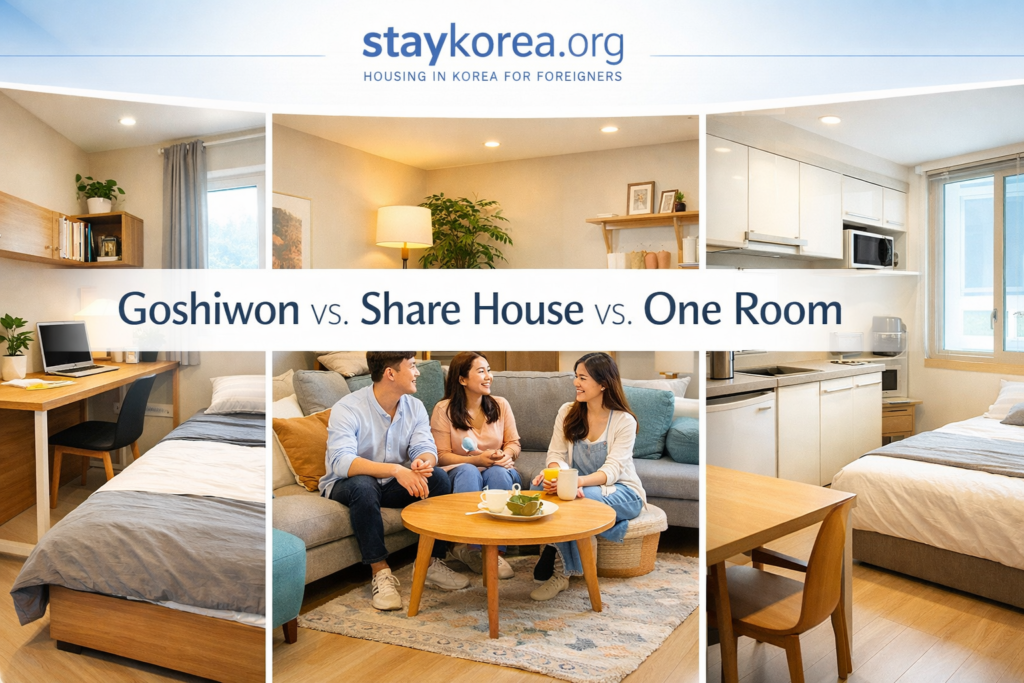
Navigating the housing market in a new country can be daunting, especially when you’re unfamiliar with the local terminology and rental systems. For foreigners moving to South Korea – whether you’re an international student, an exchange student, a working professional, or a digital nomad – understanding the various accommodation options is crucial for a smooth and comfortable stay. This comprehensive guide will break down the most common types of housing available: Goshiwon, Share House, and One Room, helping you make an informed decision that best suits your needs and lifestyle.
At staykorea.org, we understand the unique challenges foreigners face, from language barriers to unfamiliar rental contracts. Our mission is to simplify your housing search by offering verified accommodations, low deposit options, and personalized 1:1 matching services. We’re here to ensure your transition to life in Korea is as seamless as possible.
Let’s dive into the specifics of each housing type, comparing their features, pros and cons, average costs, and who they are best suited for. By the end of this guide, you’ll have a clear picture of what to expect and how to choose your ideal home in Korea.
1. Goshiwon (고시원): The Compact & Convenient Choice
What is a Goshiwon?
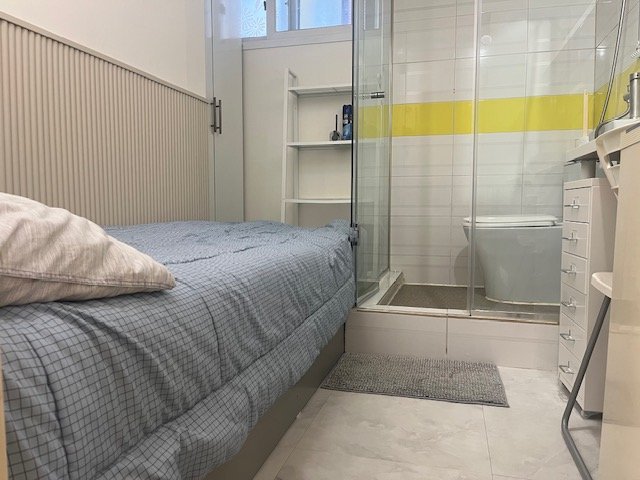
A Goshiwon (고시원), sometimes also referred to as a Gositel (고시텔) or Livingtel (리빙텔), originated as a study room for students preparing for high-stakes national exams. Over time, they have evolved into a popular, affordable, and convenient housing option for a diverse range of residents, including students, young professionals, and, increasingly, foreigners. Goshiwons typically offer small, private rooms within a larger building, where common facilities are shared among residents.
Key Features:
Private Room: Each resident gets their own compact room, usually furnished with a bed, desk, chair, and a small wardrobe.
Shared Facilities: Common areas often include a kitchen (with rice, kimchi, and ramen sometimes provided free), laundry machines, and sometimes shared bathrooms. Some Goshiwons offer private bathrooms (mini-rooms or one-room type Goshiwons).
All-inclusive Utilities: Rent typically includes utilities like electricity, water, gas, and internet, simplifying budgeting.
No Deposit (or Low Deposit): Most Goshiwons require no deposit or a very small one, making them highly accessible.
Short-term Contracts: Flexible contracts, often on a monthly basis, are common.
Pros & Cons:
Pros | Cons |
Affordable: Generally the cheapest private accommodation option. | Small Space: Rooms are very compact, often 5-8 square meters. |
No/Low Deposit: Minimal upfront financial burden. | Lack of Privacy/Noise: Thin walls can lead to noise issues. |
All-inclusive Utilities: Simple budgeting, no separate bills. | Limited Amenities: Basic facilities, not ideal for cooking or entertaining. |
Furnished: Ready to move in with basic furniture. | No Windows (sometimes): Some rooms lack external windows. |
Flexible Contracts: Ideal for short-term stays or those unsure of their long-term plans. | Strict Rules: Some Goshiwons have curfews or visitor restrictions. |
Convenient Locations: Often found near universities, business districts, and public transport. | Variable Quality: Quality can vary significantly; in-person viewing is recommended. |
Average Costs:
Monthly Rent: ₩250,000 – ₩600,000 (USD 200 – 500) depending on location, size, and amenities (e.g., private bathroom).
Deposit: Typically ₩0 – ₩500,000 (USD 0 – 400). Many require no deposit.
Who is it Best For?
Goshiwons are ideal for:
International Students/Exchange Students: Especially those on a tight budget or looking for short-term housing near their university.
Short-term Visitors/Digital Nomads: Those staying for a few weeks to a few months who need a hassle-free, furnished option.
Budget-conscious Individuals: Anyone prioritizing affordability over spaciousness and extensive amenities.
Individuals seeking minimal commitment: The flexible monthly contracts are perfect for those who prefer not to be tied down to long-term leases.
Things to Consider When Choosing a Goshiwon:
Location: Proximity to your university, workplace, or public transportation.
Room Size & Window: Decide if a window is a must-have for you.
Private vs. Shared Bathroom: Private bathrooms offer more convenience but come at a higher price.
Cleanliness & Management: Visit in person to check the overall cleanliness and the responsiveness of the manager.
Noise Levels: Ask about soundproofing or quiet hours if you are sensitive to noise.


2. Share House (쉐어하우스): The Social & Community-Oriented Option
What is a Share House?
A Share House (쉐어하우스), similar to co-living spaces or house shares in Western countries, involves renting a private room within a larger apartment or house, with common areas like the living room, kitchen, and bathrooms shared among several residents. Share houses have gained immense popularity in Korea, particularly among young people and foreigners, as they offer a blend of privacy and community, often at a more reasonable price than a private apartment.
Key Features:
Private Room, Shared Common Areas: You get your own bedroom, but share the living room, kitchen, and bathrooms with housemates.
Furnished: Most share houses come fully furnished, including common areas and private rooms, making moving in easy.
Community Aspect: Many share houses are designed to foster a sense of community, often organizing events or having common spaces for socializing. This is a great way to meet both Koreans and other foreigners.
Utilities Included (often): Similar to Goshiwons, utilities are often included in the monthly rent or charged as a fixed monthly fee.
Managed Services: Many share houses are professionally managed, handling maintenance, cleaning of common areas, and sometimes even providing basic supplies.
Pros & Cons:
Pros | Cons |
Social Environment: Great for meeting new people and making friends. | Less Privacy: Shared common areas mean less personal space. |
Affordable: Generally cheaper than a one-room apartment, especially in prime locations. | Potential for Conflict: Living with others can lead to disagreements over cleanliness, noise, or rules. |
Furnished: No need to buy furniture or appliances. | House Rules: May have rules regarding visitors, quiet hours, or chores. |
Utilities Included/Fixed: Predictable monthly expenses. | Limited Autonomy: Less freedom to decorate or modify your living space. |
Community Events: Many offer social activities, enhancing your experience. | Variable Housemate Compatibility: Your living experience heavily depends on your housemates. |
Managed Services: Professional management often handles issues and common area cleaning. | Deposit Required: Usually requires a deposit, though often lower than one-room apartments. |
Average Costs:
Monthly Rent: ₩350,000 – ₩800,000 (USD 300 – 700) depending on location, room size, and amenities.
Deposit: Typically ₩1,000,000 – ₩5,000,000 (USD 800 – 4,000). Some may require less, or a small key money.
Who is it Best For?
Share houses are ideal for:
Students & Young Professionals: Those looking for an affordable yet social living arrangement.
Individuals seeking community: People who enjoy interacting with others and want to make friends in Korea.
Newcomers to Korea: A great way to quickly integrate into Korean society and learn about the culture from housemates.
Those who prefer furnished options: If you don’t want the hassle of buying furniture, a share house is a convenient choice.
Things to Consider When Choosing a Share House:
Housemate Compatibility: While you can’t choose your housemates directly, some agencies try to match residents based on interests or nationality.
Location & Commute: Ensure it’s convenient for your daily activities.
House Rules: Understand all rules regarding visitors, quiet hours, and cleaning schedules.
Common Area Cleanliness: Check the cleanliness of shared spaces during your visit.
Management Responsiveness: A good management team can make a big difference in resolving issues.


3. One Room (원룸): The Independent & Private Option
What is a One Room?
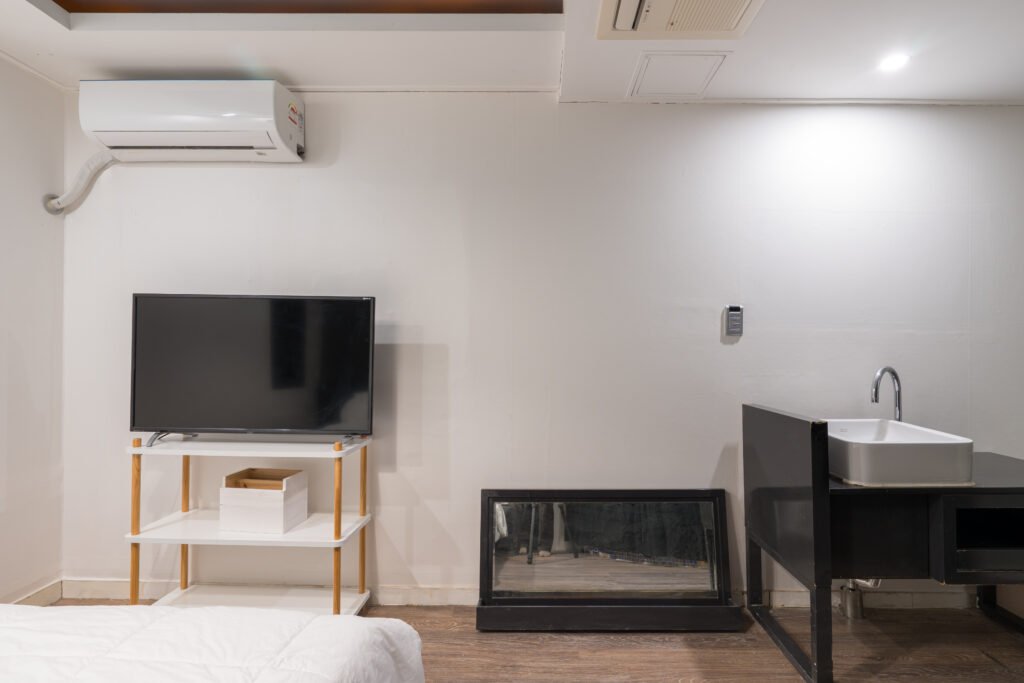
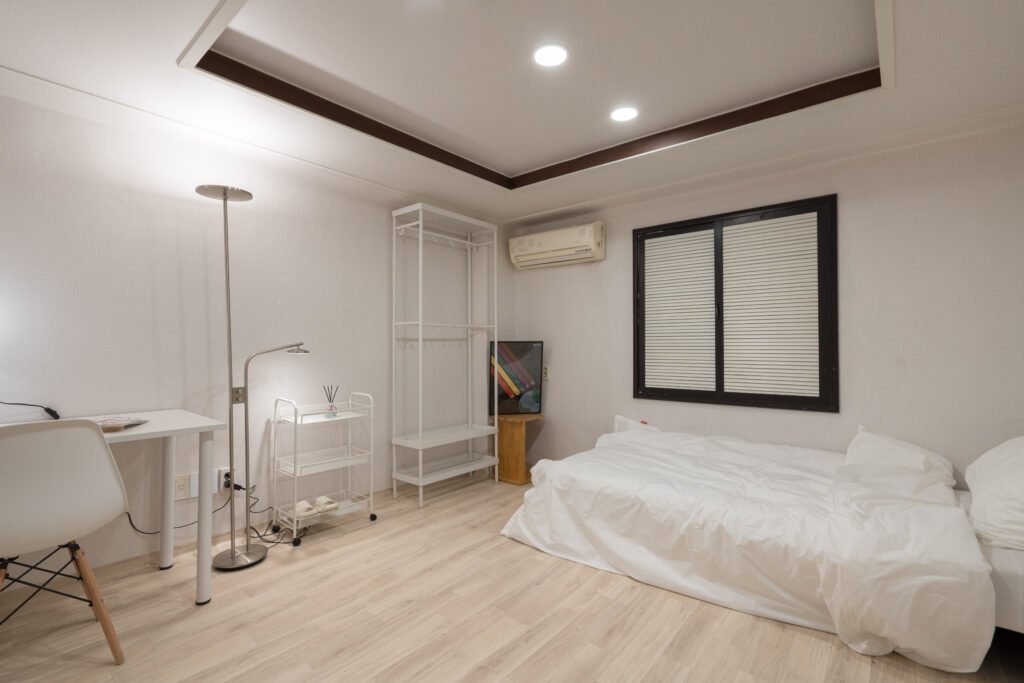
A One Room (원룸) is a self-contained studio apartment, typically consisting of a single main room that serves as the living, sleeping, and often cooking area, along with a separate private bathroom. It’s the most common type of independent housing in Korea and offers the highest level of privacy among the options discussed. One Rooms are popular among individuals who prefer their own space and don’t mind managing their own utilities and responsibilities.
Key Features:
Private & Self-contained: You have your own private space, including a kitchen and bathroom, without sharing any facilities.
Furnished or Unfurnished: One Rooms can be found both furnished (풀옵션 – full option) or unfurnished (빈방 – empty room). Full option rooms are more common and include basic appliances like a refrigerator, washing machine, air conditioner, and sometimes a bed and desk.
Deposit (Bogeumgeum): A significant deposit (보증금 – bogeumgeum) is almost always required, which can range from a few million to tens of millions of Korean Won.
Utilities Separate: Unlike Goshiwons and many Share Houses, you are typically responsible for paying your own utility bills (electricity, gas, water, internet) in addition to rent and a monthly maintenance fee (관리비 – gwanlibi).
Longer Contracts: Standard contracts are usually for one or two years, offering stability.
Pros & Cons:
Pros | Cons |
Full Privacy & Independence: Your own space, no shared facilities. | High Deposit: Requires a substantial upfront financial commitment. |
Freedom: Decorate and live as you please. | Separate Utility Bills: More complex budgeting and management of bills. |
Full Kitchen: Better for those who prefer to cook regularly. | Longer Contracts: Less flexibility for short-term stays. |
Stable Living: Long-term contracts provide security. | Furnishing Costs (for unfurnished): If unfurnished, you’ll need to buy furniture. |
Quiet Environment: Generally quieter than shared living spaces. | Can be Lonely: Less social interaction compared to share houses. |
Average Costs:
Monthly Rent: ₩400,000 – ₩1,000,000+ (USD 350 – 900+) depending on location, size, and whether it’s full option.
Deposit (Bogeumgeum): Typically ₩5,000,000 – ₩20,000,000+ (USD 4,000 – 17,000+). Lower deposits (반전세 – banjeonse) are sometimes available with higher monthly rent.
Maintenance Fee (Gwanlibi): ₩30,000 – ₩100,000 (USD 25 – 85) per month, covering building upkeep, cleaning of common areas, and sometimes basic internet.
Utilities: Electricity, gas, and water bills are separate and vary based on usage.
Who is it Best For?
One Rooms are ideal for:
Working Professionals: Those with a stable income who value privacy and independence.
Long-term Residents: Individuals planning to stay in Korea for a year or more.
Couples: A one-room can be suitable for a couple, though space might be tight.
Individuals who prefer cooking: The private kitchen facilities are a big plus for those who enjoy preparing their own meals.
Things to Consider When Choosing a One Room:
Deposit Amount: Be prepared for a significant upfront deposit.
Full Option vs. Unfurnished: Decide if you prefer a ready-to-move-in furnished room or want to furnish it yourself.
Maintenance Fee & Utilities: Understand what’s included in the maintenance fee and budget for separate utility costs.
Contract Length: Ensure the contract length aligns with your stay plans.
Building Age & Condition: Newer buildings often have better facilities but higher rent.
Comparison Table: Goshiwon vs. Share House vs. One Room
To help you visualize the differences, here’s a quick comparison of the three main accommodation types:
Feature | Goshiwon | Share House | One Room |
Privacy Level | High (private room) | Medium (private room, shared common areas) | Very High (entire private unit) |
Space | Very Small (5-8 sqm) | Medium (private room, spacious common areas) | Medium (15-30 sqm studio) |
Deposit | None or Very Low (₩0-500k) | Low to Medium (₩1-5M) | High (₩5-20M+) |
Monthly Rent | ₩250k-600k | ₩350k-800k | ₩400k-1M+ |
Utilities | Usually Included | Often Included/Fixed Fee | Separate (plus Gwanlibi) |
Furnishing | Fully Furnished (basic) | Fully Furnished | Full Option or Unfurnished |
Contract Length | Monthly (flexible) | 6 months – 1 year | 1-2 years |
Community | Minimal | High | Minimal |
Kitchen | Shared (basic) | Shared (well-equipped) | Private (full kitchen) |
Bathroom | Shared or Private | Shared | Private |
Best For | Budget, short-term, minimal fuss | Social, community, balanced cost | Privacy, independence, long-term |
Essential Tips for Renting Accommodation in Korea (Contract & Safety)
Regardless of the type of accommodation you choose, understanding the rental process and taking necessary precautions is vital. Here are some general tips for foreigners:
1. Understand the Contract (Lease Agreement):
Get it in English: If possible, request a bilingual contract or have a trusted Korean speaker review it with you. Do not sign anything you don’t fully understand.
Key Terms: Pay attention to terms like contract duration, rent due date, deposit refund conditions, early termination clauses, and maintenance fees.
Deposit Refund: Ensure the contract clearly states the conditions and timeline for your deposit refund upon moving out.
2. Verify the Property and Landlord:
Visit in Person: ALWAYS visit the property before signing a contract. Pictures can be misleading.
Check for Damage: Document any existing damage with photos or videos before moving in to avoid disputes later.
Landlord Identity: Verify the landlord’s identity and ensure they are the rightful owner or have legal authority to rent the property.
3. Payment and Receipts:
Bank Transfers: Make all payments (deposit, rent, utilities) via bank transfer to leave a clear transaction record. Avoid cash payments if possible.
Receipts: Always request and keep receipts for all payments made.
4. Safety and Security:
Emergency Exits: Familiarize yourself with emergency exits and fire safety procedures.
Security Features: Check the building’s security, such as CCTV, digital door locks, and building access control.
Neighborhood Safety: Research the neighborhood’s safety, especially if you’ll be returning home late at night.
5. Utilities and Maintenance:
Meter Readings: If utilities are separate, take photos of meter readings (electricity, gas, water) when you move in and out to ensure accurate billing.
Maintenance Issues: Understand the process for reporting maintenance issues and who is responsible for repairs.
Conclusion: Finding Your Perfect Home in Korea
Choosing the right accommodation in Korea is a significant step towards a successful and enjoyable stay. Whether you prioritize affordability and flexibility (Goshiwon), community and social interaction (Share House), or complete privacy and independence (One Room), Korea offers a diverse range of options to suit every preference and budget.
Remember to consider your lifestyle, financial situation, and how long you plan to stay when making your decision. Each option has its unique advantages and disadvantages, and what works best for one person might not be ideal for another.
Key Takeaways:
Goshiwon: Best for budget-conscious, short-term stays, minimal deposit, small private rooms with shared facilities.
Share House: Great for social individuals, community living, furnished, often includes utilities, lower deposit than One Room.
One Room: Ideal for privacy, independence, long-term stays, requires significant deposit, separate utilities.
We hope this guide has provided you with a clearer understanding of the housing landscape in Korea. As a foreigner, navigating this process can still feel overwhelming, but you don’t have to do it alone.
Ready to Find Your Ideal Korean Home? Let staykorea.org Help!
At staykorea.org, we specialize in connecting foreigners with verified and suitable accommodations across Korea. Our 1:1 personalized matching service takes the stress out of your housing search. We understand your unique needs and preferences, and our dedicated consultants are here to provide tailored recommendations, answer all your questions, and guide you through every step of the process – from understanding contracts to settling in.
Why choose staykorea.org?
Verified Listings: We only work with trusted landlords and properties.
Low Deposit Options: Access to accommodations with minimal upfront costs.
Multilingual Support: Our team speaks your language, making communication easy.
Personalized Assistance: Get expert advice and support tailored to your situation.
Don’t let housing worries overshadow your Korean adventure. Take the first step towards finding your perfect home today!
Click here to start your 1:1 personalized consultation with staykorea.org!