


KTX vs Bus vs Flight: Your Ultimate Guide to Inter-City Travel in Korea
ntroduction: Navigating South Korea Like a Pro
South Korea boasts an incredibly efficient and diverse transportation network, making inter-city travel a breeze for both locals and foreigners. Whether you’re a student exploring new cities, a tourist on an adventure, or a long-term resident, choosing the right mode of transport can significantly impact your travel experience. This guide breaks down the pros and cons of KTX (high-speed rail), Express Bus, and Domestic Flights to help you make an informed decision for your next journey.
1. KTX (Korea Train eXpress): Speed and Comfort
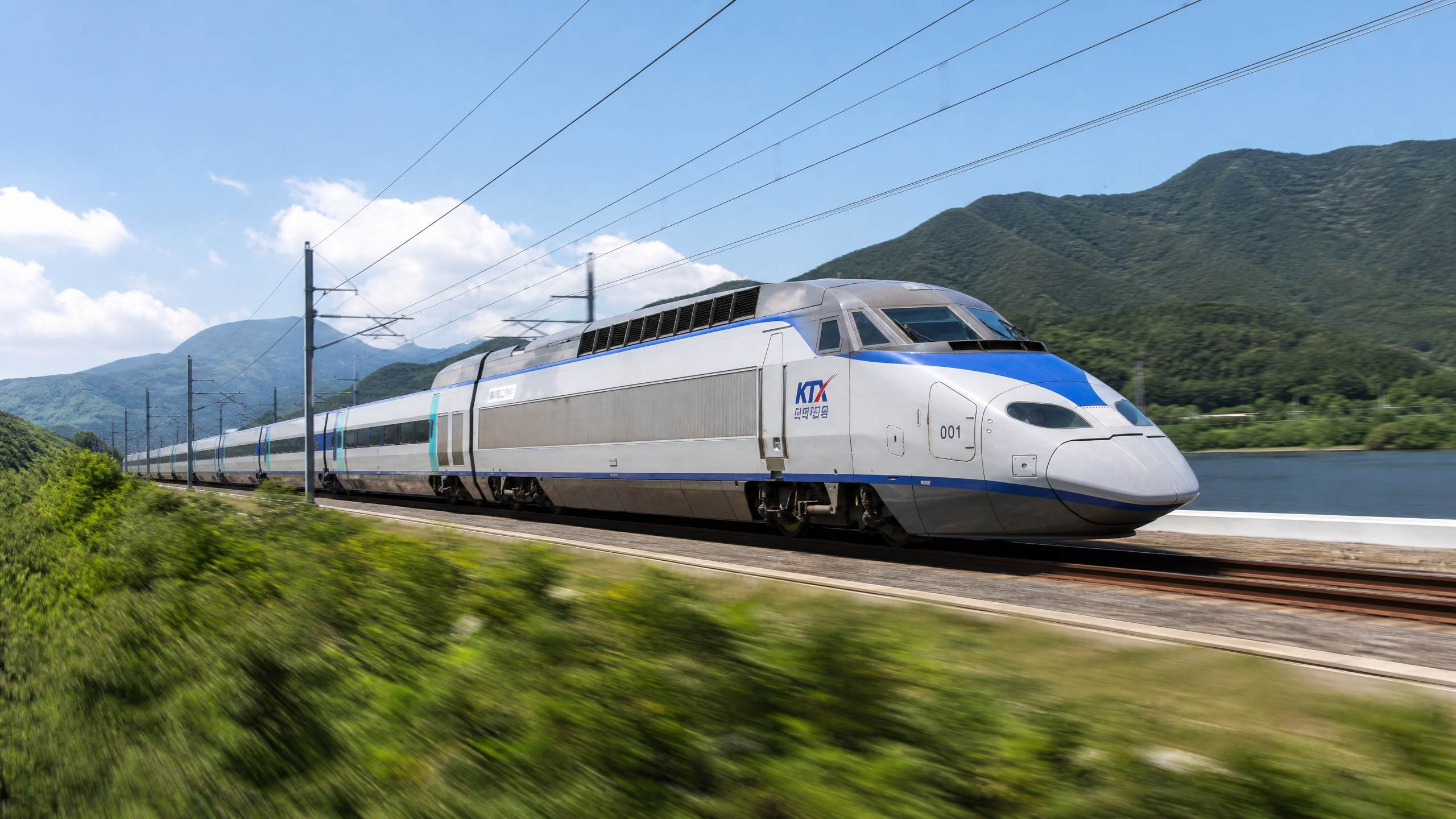
The KTX is South Korea’s high-speed rail system, connecting major cities like Seoul, Busan, Daegu, and Gwangju at speeds up to 300 km/h. It’s often the preferred choice for those prioritizing speed and comfort.
Pros:
•Speed: Fastest way to travel between major cities. Seoul to Busan in approximately 2.5 to 3 hours.
•Comfort: Spacious seats, quiet cabins, and often equipped with Wi-Fi and power outlets.
•Convenience: Stations are typically located in city centers, offering easy access to public transport.
•Reliability: Less affected by traffic or weather conditions compared to buses or flights.
•Scenery: Enjoy picturesque views of the Korean countryside.
Cons:
•Cost: Generally the most expensive option.
•Booking: Popular routes and times can sell out quickly, especially during holidays.
Typical Route (Seoul to Busan):
•Duration: ~2.5 – 3 hours
•Price: ₩59,800 (Standard Class, one-way)
2. Express Bus: Affordability and Extensive Network
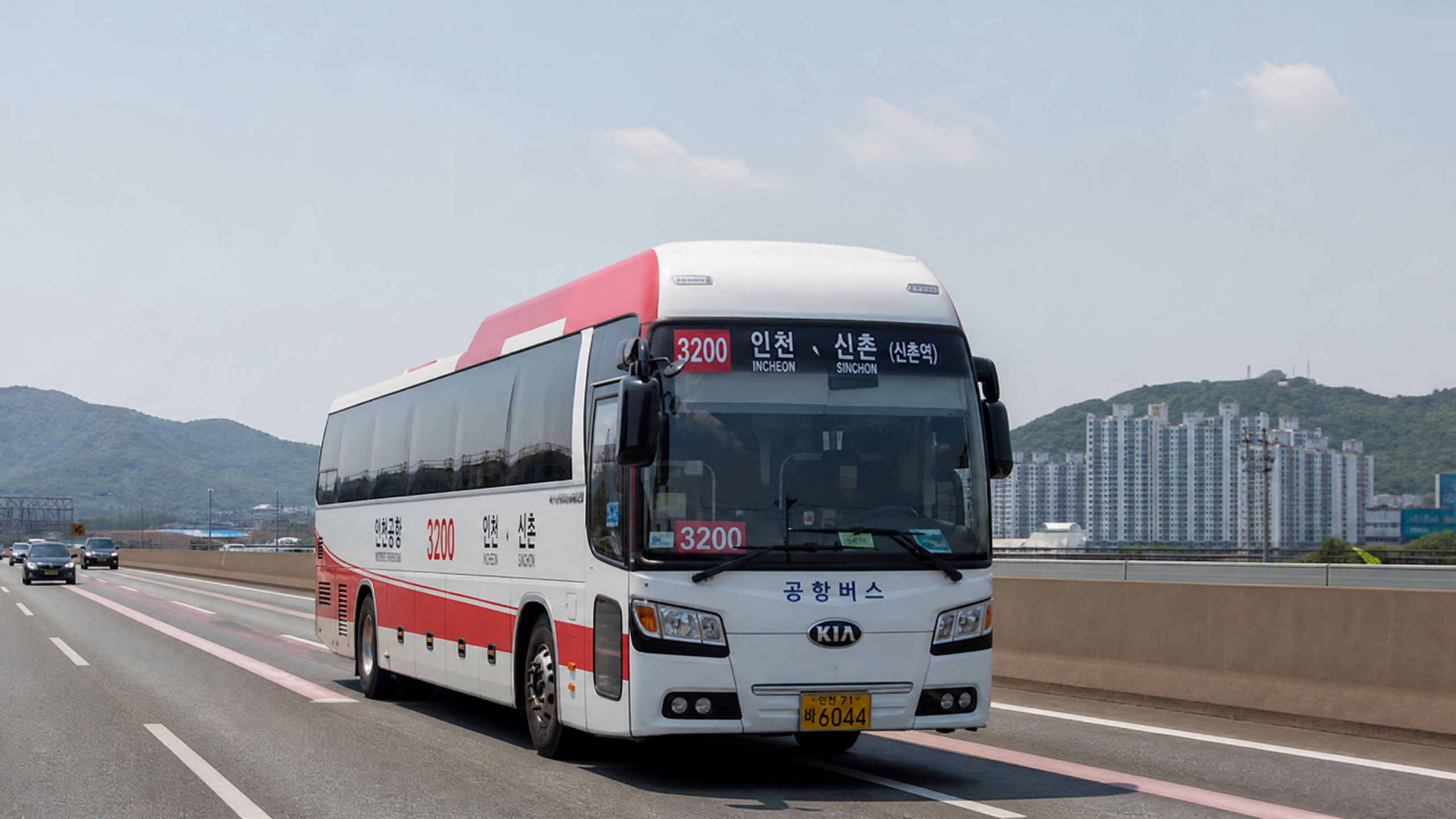
Express and Intercity Buses offer a more budget-friendly alternative with an extensive network reaching almost every corner of South Korea. They are ideal for travelers who don’t mind longer journey times and prefer direct routes to smaller towns.
Pros:
•Affordability: Significantly cheaper than KTX or flights.
•Extensive Coverage: Reaches more destinations, including smaller cities and towns not served by KTX.
•Flexibility: Frequent departures, often without the need for advance booking (though recommended for popular routes).
•Comfort (Premium Buses): Premium Express Buses offer wider seats, more legroom, and amenities like personal screens.
Cons:
•Travel Time: Longer journey times, especially for long-distance routes.
•Traffic: Susceptible to traffic jams, particularly during peak hours or holidays.
•Comfort (Standard Buses): Standard buses can be less comfortable for extended periods.
Typical Route (Seoul to Busan):
•Duration: ~4 – 4.5 hours
•Price: ₩23,000 – ₩42,000 (Standard to Premium, one-way)
3. Domestic Flights: Long-Distance Efficiency
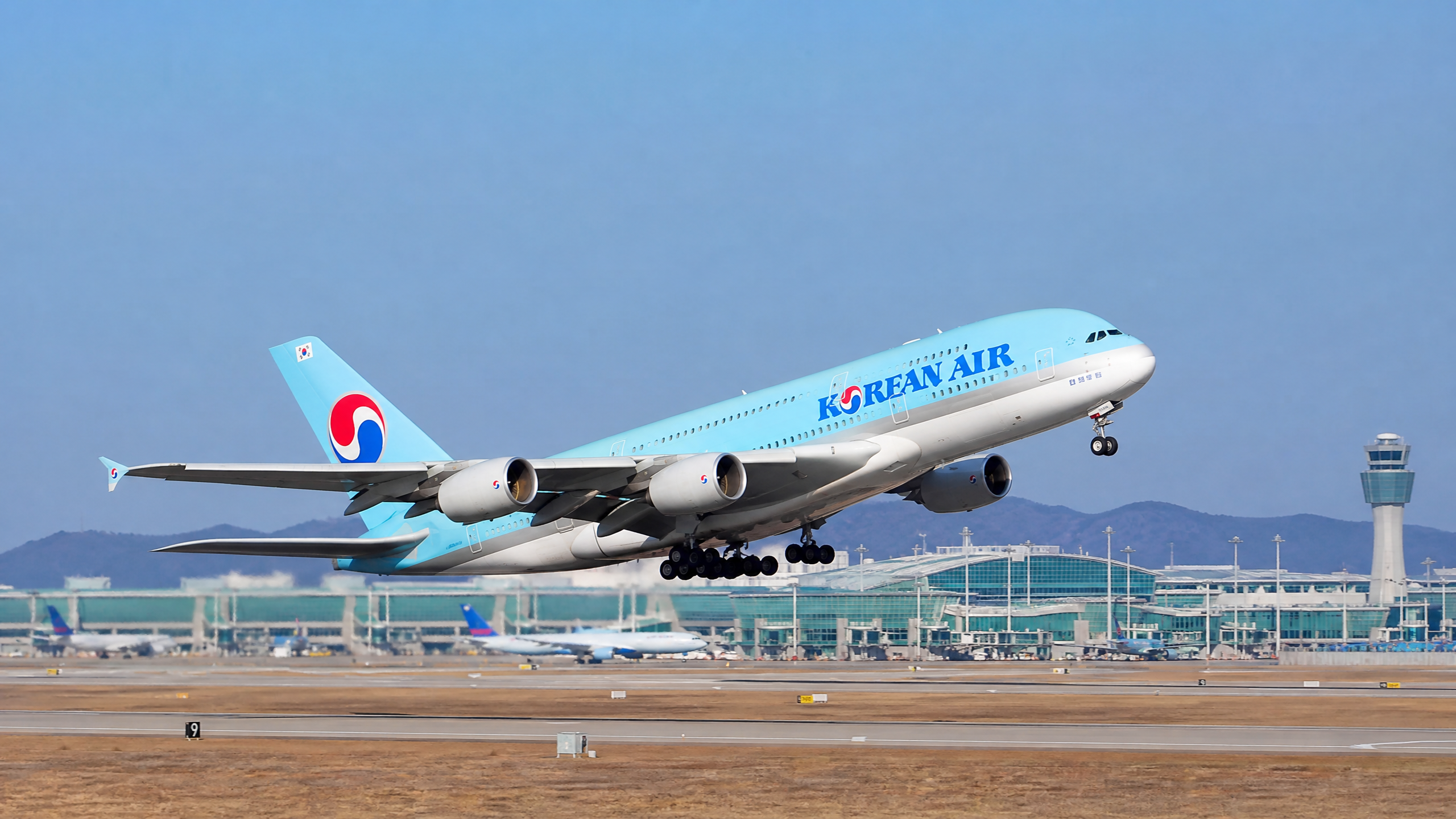
Domestic flights are primarily useful for traveling to Jeju Island or between cities that are very far apart, where the time saved outweighs the airport hassle. For most mainland routes, KTX often proves more efficient door-to-door.
Pros:
•Speed (Airborne): Shortest actual travel time in the air.
•Access to Islands: Essential for reaching Jeju Island.
•Deals: Can sometimes find promotional fares that are competitive with KTX.
Cons:
•Airport Location: Airports are usually outside city centers, requiring additional travel time and cost to reach.
•Check-in/Security: Time spent on check-in, security, and boarding can negate flight time savings.
•Baggage Restrictions: Limits on luggage weight and size.
•Weather Dependent: More prone to delays or cancellations due to weather.
Typical Route (Seoul to Busan):
•Duration: ~1 hour (flight time) + 2-3 hours (airport transit) = 3-4 hours total door-to-door.
•Price: From ₩50,000 (can vary greatly depending on booking time and airline)
Conclusion: Choose Your Journey Wisely
Transportation | Speed | Cost | Convenience | Best For |
KTX | High | High | High | Fast, comfortable travel between major cities. |
Express Bus | Medium | Low | Medium | Budget-friendly travel to a wider range of destinations. |
Flight | High | Medium | Low | Traveling to Jeju Island or very long distances where time is critical. |
When planning your inter-city travel in South Korea, consider your priorities: speed, budget, or destination. For most mainland routes, KTX offers a fantastic balance of speed and convenience. Buses are great for saving money and reaching off-the-beaten-path locations, while flights are best reserved for island hopping or specific long-haul journeys.
Looking for long-term accommodation in any of these vibrant Korean cities? StayKorea makes it easy for international students and residents to find verified rooms with no huge deposits and English support.